Adani’s Flight Simulation Stake: Revolutionizing IAF Training Ecosystem
Deal Details: A Calculated Entry into Aviation Training
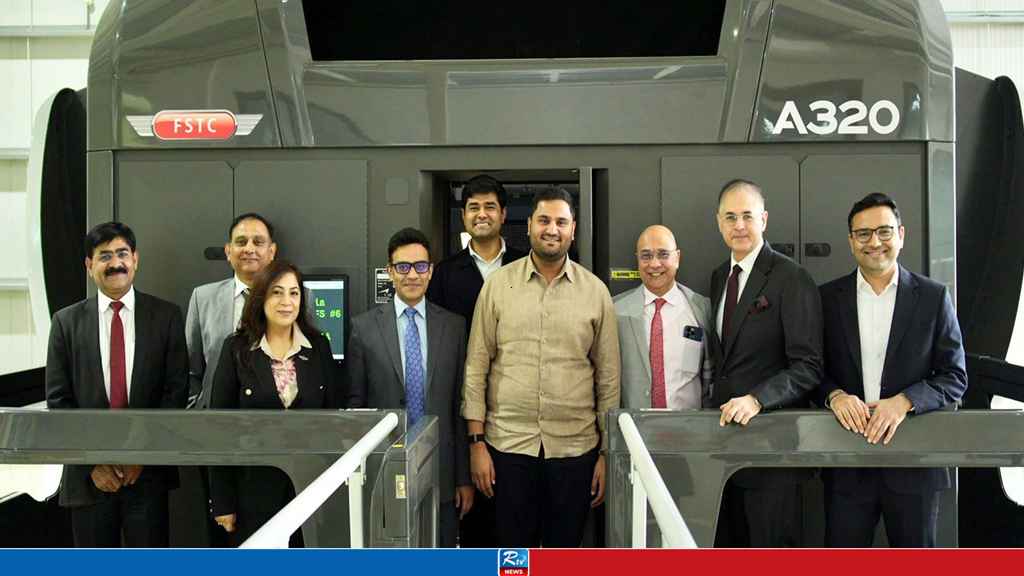
The acquisition, executed through HASL (a 50:50 JV between ADSTL and Prime Aero), positions Adani to control FSTC’s expansive network: 11 Level-D full-flight simulators, 17 training aircraft, and four major facilities across Gurugram, Hyderabad, Mumbai, and flying academies in Haryana, Surat, and Solapur. Founded in 2012 by former IAF Squadron Leader Dilawer Singh Basraon, FSTC has trained over 5,000 pilots for civil giants like IndiGo and Air India, while quietly supporting IAF’s simulator-based curricula.
Financially, the ₹820 crore valuation reflects FSTC’s robust growth trajectory—revenues doubled to ₹350 crore in FY25 amid post-Operation Sindoor defence contracts. Adani Enterprises’ stock surged 3.5% on announcement day, underscoring investor confidence in the group’s ₹5,000 crore defence investments, set to triple by 2030.
Strategic Synergies: From MRO to Mission Rehearsal
Adani’s move isn’t isolated—it’s the capstone of a vertically integrated aviation ecosystem. With existing stakes in MRO (maintenance, repair, overhaul) via Adani Aerospace, drone manufacturing through Adani Elbit, and combat systems used in Operation Sindoor, FSTC fills the critical training gap. Ashish Rajvanshi, CEO of Adani Defence & Aerospace, emphasized: “This acquisition builds a fully integrated aviation services platform—from design and production to training and sustainment—ensuring India trains its warriors on home soil.”
For the IAF, facing a squadron crunch (31 vs. 42 authorized), simulators are force multipliers. Traditional live-fly training costs ₹2-3 lakh per sortie; FSTC’s high-fidelity setups slash this by 70%, enabling 24/7 scenario replication without weather or airspace constraints.
Advanced Simulators: Tailored for Tejas, Rafale, and Beyond
FSTC’s crown jewels—11 Level-D simulators certified to ICAO and military standards—now supercharge IAF curricula. Key integrations planned:
- Tejas Mk1A/Mk2 Simulators: Full-mission trainers replicating Uttam AESA radar, Astra BVR engagements, and Himalayan high-altitude ops. First units to deploy at Dundigal by Q2 2026.
- Rafale F4/F5 Replicas: Hybrid setups with French Dassault data, incorporating Indian EW suites and Rudram missiles for MRFA scenarios. Supports Garuda joint exercises.
- Su-30MKI Upgrades: “Super-30” variants with BrahMos-ALCM and Gaurav glide bomb simulations, post-Sindoor tactics embedded.
- Multi-Domain Trainers: Emerging VR/AR platforms for cyber-space integration, drawing from Adani’s AI drone tech.
By 2027, FSTC aims to add 15 more simulators, including hypersonic intercept scenarios for S-400/S-500 crews, in partnership with DRDO’s IITM Pravartak.
Private Sector’s Indigenization Drive: Cost Savings and Scalability
Under Atmanirbhar Bharat, Adani’s entry democratizes training—previously dominated by foreign OEMs like CAE (IndiGo JV). FSTC’s non-captive model (serving multiple airlines/armed forces) ensures scalability: from 500 IAF cadets annually to 2,000 by 2030. Cost projections: ₹500 crore savings for IAF over five years via reduced overseas training (e.g., France for Rafale, Russia for Su-30).
The deal also aligns with 2025 defence reforms, mandating 60% indigenous content in training aids. Adani’s MSME ecosystem—over 100 vendors—will localize 80% of simulator components, from hydraulics to software, by 2028.
Broader Ecosystem Impact: Civil-Defence Convergence
Beyond IAF, FSTC bolsters Adani’s civil aviation push (airports like Mumbai, Ahmedabad). With IndiGo/Air India eyeing 1,000+ jets, dual-use trainers bridge civil-defence talent pipelines—pilots certified for both A320 and Tejas cockpits. Geopolitical tailwinds: Post-Sindoor surge in pilot demand (IAF targets 1,500 new aviators/year) meets Adani’s export ambitions, eyeing Southeast Asia markets.
“In an era of hybrid threats, simulators aren’t luxury—they’re lethality. Adani-FSTC will ensure every IAF pilot masters the unthinkable before facing it.” — Wing Commander (Retd.) Dilawer Singh Basraon, FSTC Founder
Challenges and Roadmap Ahead
Hurdles include cybersecurity certification for military sims (target: Q1 2026) and talent retention amid poaching by global firms. Roadmap: ₹1,500 crore capex by 2028 for AI-driven adaptive training; MoUs with HAL for Tejas-specific bays; integration with National Defence University curricula.
This acquisition isn’t mere M&A—it’s a paradigm shift. As India hurtles toward Viksit Bharat 2047, Adani’s stake in FSTC ensures its skies are patrolled by pilots forged in simulators as advanced as its missiles.
Related Reads on DefenceNiti.com
- Golden Era of Defence Innovation at Swavlamban 2025 – Private sector’s role in training tech
- DRDO’s LFRJ Engine DcPP – Industry partnerships fueling ecosystem growth
- 2025 as ‘Year of Reforms’ – Aligning with procurement and readiness mandates